.png)
.png)
Health care is the rare industry where nearly everything is growing, the training is short, and you can be earning while you study. If you want the clearest route from high school to a real salary, this page is it.

This is the single most useful thing on this page. In health care, an associate's degree — two years, usually at a community college — opens jobs that pay close to, or more than, what many four-year degrees pay. These are not shortcuts. They are licensed, skilled, respected roles.
Dental hygienist
$98,100
Respiratory therapist
$82,280
Radiologic technologist
$81,390
Physical therapist assistant
$61,200
These roles take months rather than years, and several employers will pay for the training if you commit to working for them. They are also how a very large number of nurses and technologists got started.
Surgical technologist
$64,700
EMT or paramedic
$48,150
Medical assistant
$45,690
Pharmacy technician
$45,750
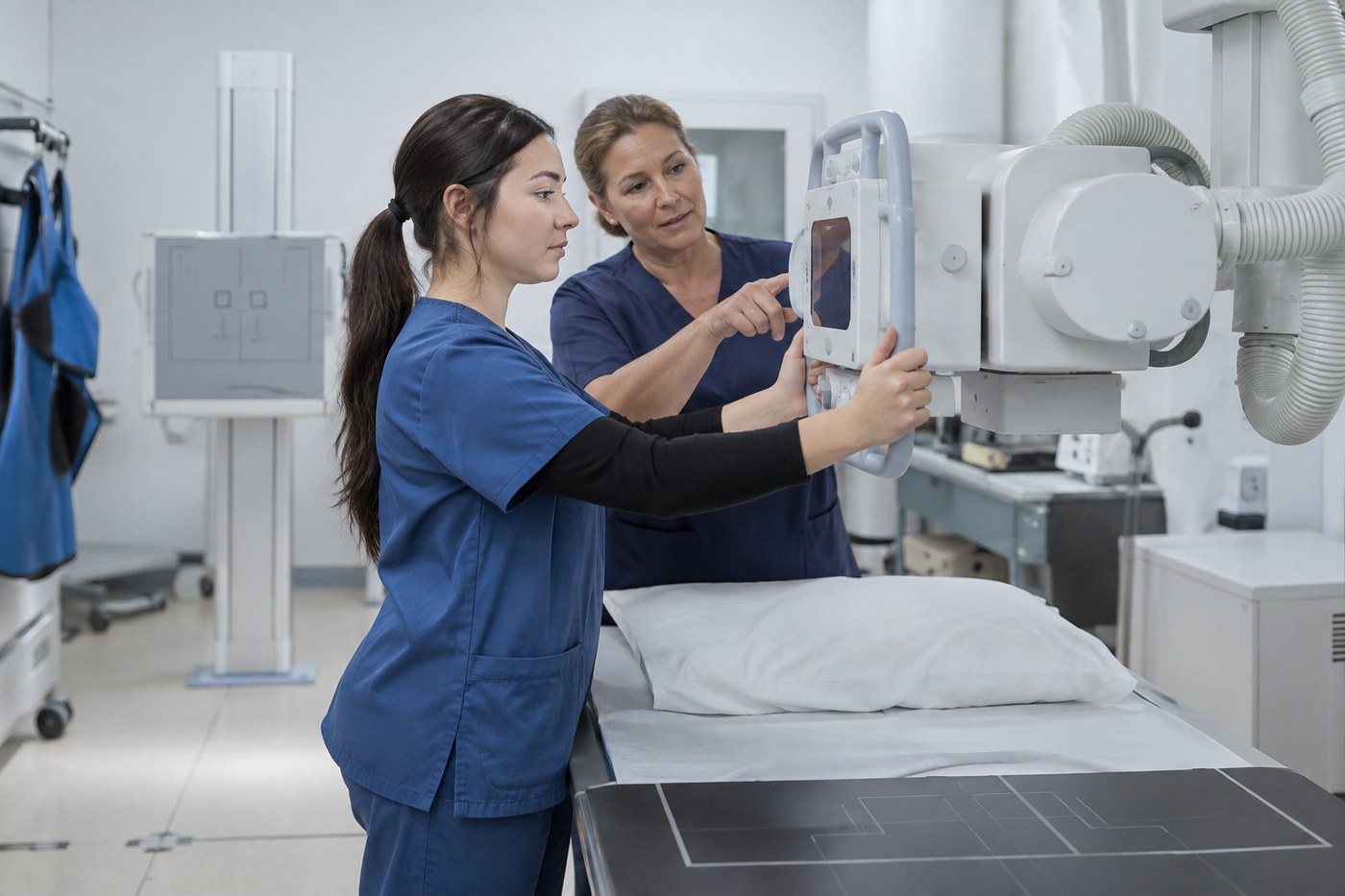
The fastest-growing job in health care is also the lowest-paid one. Home health and personal care aide is projected to grow 18%, with more than 4.6 million people already doing it — and a median wage of $35,800. Nursing assistant is similar: enormous, essential, and $41,870. Both are genuine ways into the industry and both teach you more about patient care in a year than a classroom will. Just know going in that the pay steps up when the credential does, so plan the next certificate before you start.
The other honest note: this is shift work. Nights, weekends and holidays are normal, especially early on. People who love this work say the schedule is the price and the work is worth it. People who leave usually leave because of the schedule, not the job.
Start here
Nursing assistant, home health aide, pharmacy technician
$35,800 – $45,750
A few years in
Surgical technologist, EMT, radiologic technologist, respiratory therapist
$48,150 – $82,280
Where it can go
Registered nurse, dental hygienist, nurse practitioner
$97,550 – $134,920
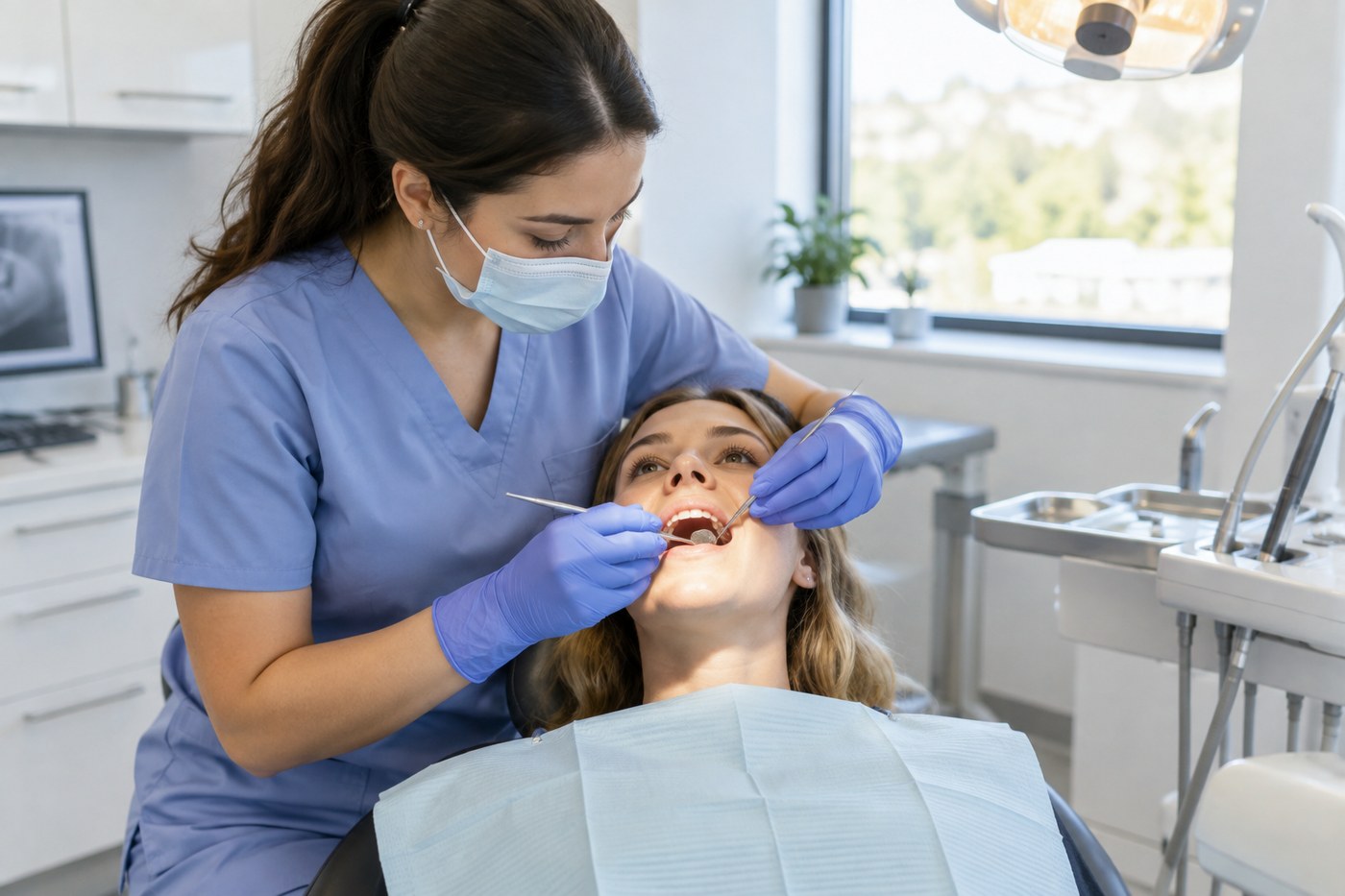
Pick a first credential you can finish quickly, and get inside a hospital, clinic, dental office or care facility while you study. Health care employers are unusually willing to pay for the next step of your training, because keeping someone who already knows the building is cheaper than hiring a stranger. The hospitals, clinics, care providers and colleges on CareerPathway.com post the entry roles, apprenticeships, certificate programs and tuition support together — create a free profile and you can see which employers will train you and what they expect in return.
What is the highest-paying health care job I can get with a two-year degree?
Dental hygienist, at a median of $98,100 per year, followed by respiratory therapist at $82,280 and radiologic technologist at $81,390. All three typically require an associate's degree.
Can I work in health care straight out of high school?
Yes. Pharmacy technician, nursing assistant and home health aide roles typically require only a high school diploma plus short training, and many employers provide that training. They pay between about $35,800 and $45,750 and are a common first step toward a licensed role.
Which health care jobs are growing fastest?
Nurse practitioner, projected to grow 36% through 2035, followed by home health and personal care aide at 18% and physical therapist assistant at 17%.
Do I have to work nights and weekends?
In hospitals and emergency care, usually yes, especially early in your career. Clinics, dental offices and outpatient roles are far more likely to keep regular daytime hours.
Pay and job outlook figures: U.S. Bureau of Labor Statistics, Occupational Outlook Handbook — 2025 median pay and 2025–2035 projections.