.png)
.png)
Theatres, studios, venues, galleries, production companies, broadcast and design teams. This is the industry students most want to work in, and it is the one where the honest advice matters most — so here it is, without the pep talk.
In this industry almost nobody gets hired from a résumé. They get hired from a portfolio, a reel, a demo, a photo set, a tape of a show they ran. Whatever you make, keep it, and keep it somewhere you can hand to a stranger in ten seconds. That is the single highest-value habit you can build before you turn twenty.
The second thing: a lot of this work is booked gig by gig rather than salaried. The Bureau of Labor Statistics does not even publish an annual salary for musicians or actors — only an hourly rate, $47.80 an hour for musicians and singers and $29.05 an hour for actors — because the number of hours is the whole question. Plan for that reality instead of being surprised by it.
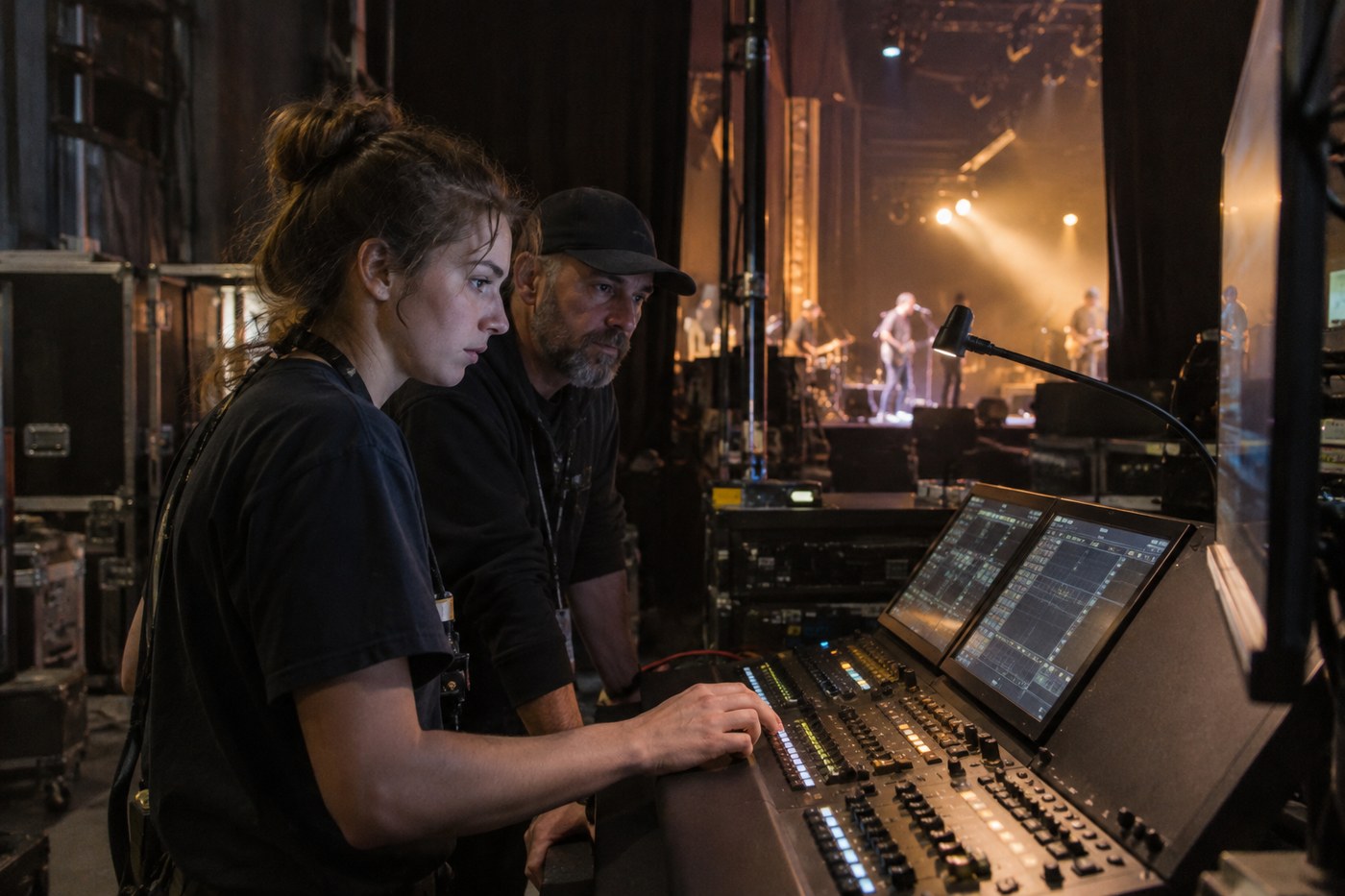
Behind the camera, behind the soundboard, behind the design. These are the roles in arts and entertainment that come with a regular paycheck, and most of them are reachable through a two-year program or an apprenticeship rather than fame.
Art director
$114,850
Producer or director
$90,360
Writer or author
$76,910
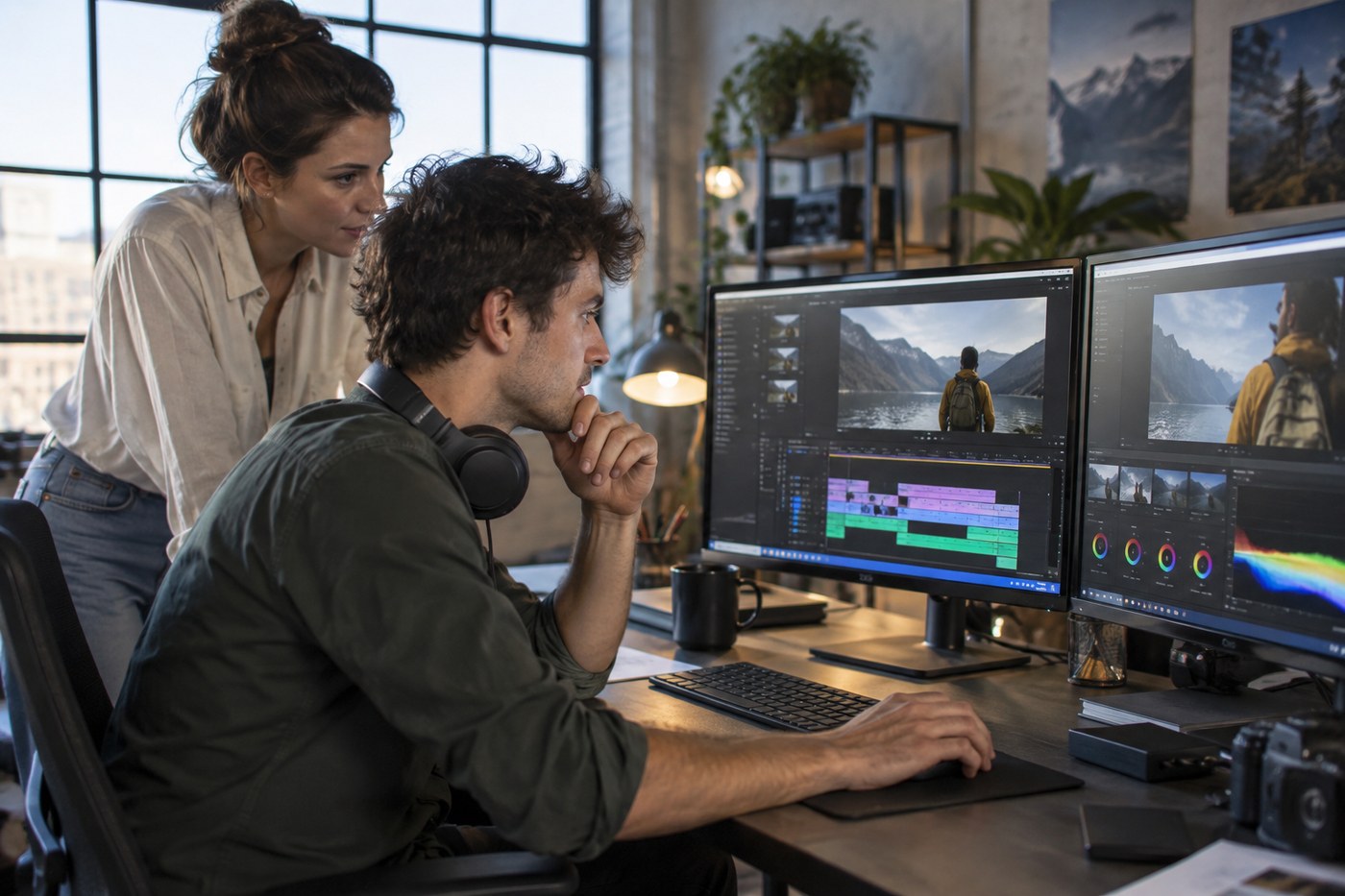
Film and video editor, camera operator
$75,100
Interior designer
$67,190
Broadcast, sound and video technician
$60,150
That last one deserves a second look. Sound and video technician is the most reachable real job on this page: no degree required, short on-the-job training, and it puts you inside every concert, broadcast, conference and production.
This industry is not growing quickly. Photographer roles are projected to shrink slightly. Musicians, actors and writers are all projected to stay roughly flat over the next ten years. The one role on this page growing faster than the average job is coach and scout, at a median of $47,320. None of that means do not do it — people build real careers here every year. It means go in with a second skill, a portfolio, and a clear idea of which side of the camera pays your rent while you chase the rest.
Start here
Venue crew, stagehand, assistant, sound and video technician
$60,150
A few years in
Editor, camera operator, designer, writer
$67,190 – $76,910
Where it can go
Producer, director, art director
$90,360 – $114,850
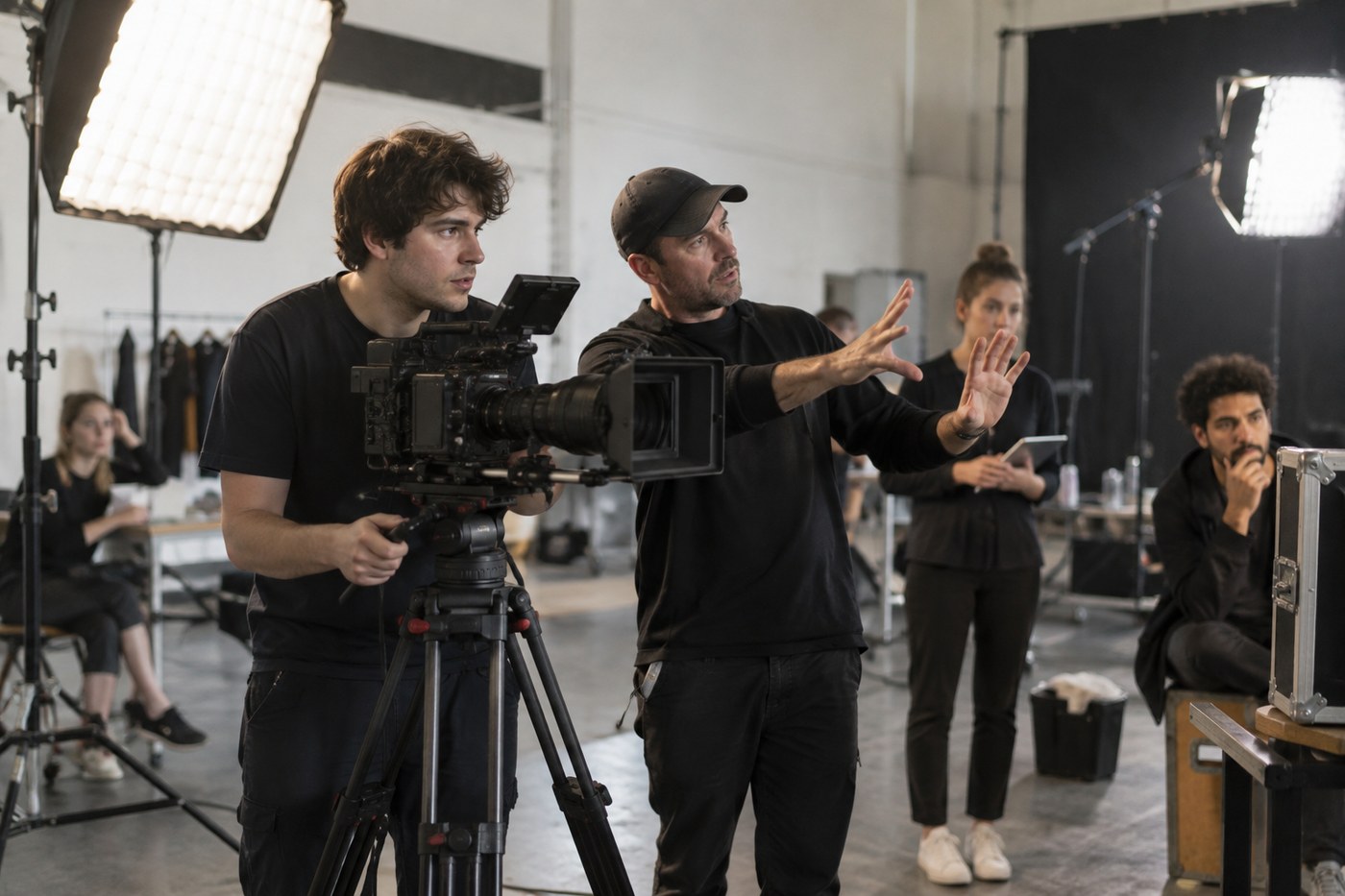
Work. Any work, on any production, as early as possible. School plays, church sound booths, local venues, community theatre, a friend's music video, the school broadcast. Every one of those is a credit and a clip. The venues, studios, agencies and schools on CareerPathway.com post the crew calls, internships and training programs that turn those clips into paid work — create a free profile, put your best work on it, and follow the organizations you want to be hired by.
Can I make a living in arts and entertainment?
Yes, but usually behind the scenes rather than on stage. Editors, camera operators, sound and video technicians, designers, producers and art directors all earn steady salaries. Performing work is typically paid by the hour and booked gig by gig.
What is the easiest arts job to get without a degree?
Broadcast, sound and video technician. It requires no degree, employers provide short-term on-the-job training, and it pays a median of $60,150 per year.
Do I need to go to art school?
For most of these roles a portfolio matters more than where you studied. Several of the higher-paying roles do expect a bachelor's degree, but nobody will hire an editor or a camera operator who cannot show their work.
Is the arts industry growing?
Not quickly. Most roles are projected to stay flat through 2035 and photographers are projected to decline slightly. Coaches and scouts, growing 6%, are the exception among the roles we track.
Pay and job outlook figures: U.S. Bureau of Labor Statistics, Occupational Outlook Handbook — 2025 median pay and 2025–2035 projections. Musicians, singers and actors are published as hourly rates only.